Source automatic electric window lifting switch for Cars, Automation, and Repair
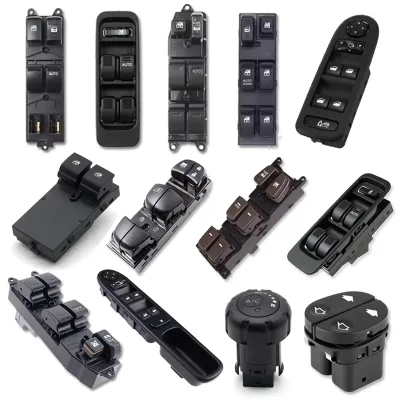
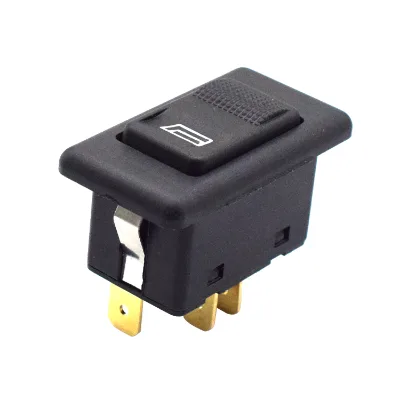
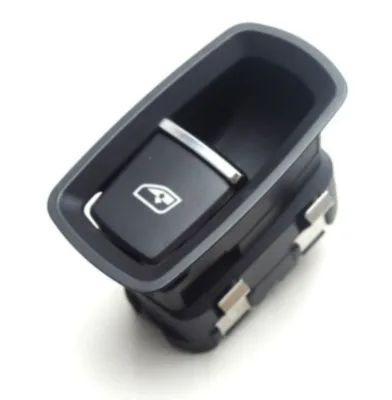
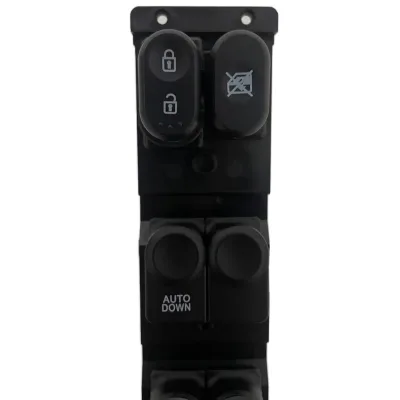
Find 30 verified listings for the automatic electric window lifting switch suitable for car repair, automation equipment, and direct replacement applications. Buyers can compare specifications, prices, and supplier details for window switches with varying model numbers and packaging options.
Key considerations
Products List







Comprehensive Sourcing Guide
Strategic Sourcing Guide for Automatic Electric Window Lifting Switches
The global automotive aftermarket and automation sectors rely heavily on the reliability of window lifting mechanisms. For procurement professionals, the automatic electric window lifting switch serves as a critical interface component, bridging the gap between driver input and mechanical actuation. Sourcing these components requires a disciplined approach that balances technical compatibility, regulatory compliance, and supply chain stability. This guide outlines the essential factors for evaluating suppliers and products, grounded in observed market data and verified product attributes.
Technical Specifications and Component Architecture
Understanding the technical architecture of an automatic electric window lifting switch is the first step in effective procurement. These devices are not merely simple on-off toggles; they are integrated control units designed to manage the DC motor power source that drives the window mechanism. The core function is driving the window up and down, often with features for anti-pinch protection or one-touch operation, though specific feature sets vary by manufacturer.
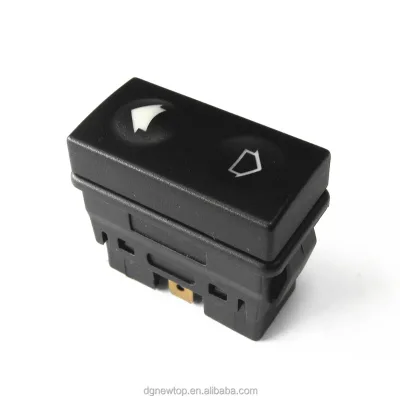
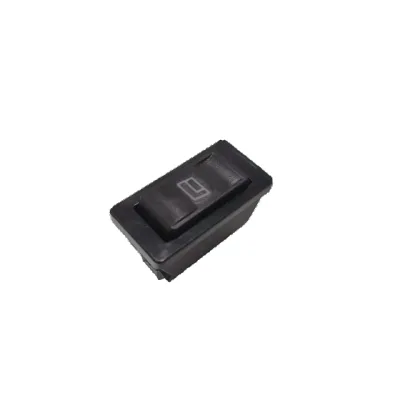
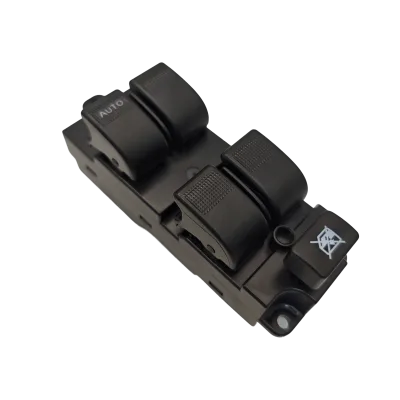
The physical construction of these switches typically utilizes high-grade engineering plastics to ensure durability and resistance to environmental stress. Observed product attributes indicate a common material composition of ABS Plastic and PP Plastic. This combination offers an optimal balance of structural rigidity and impact resistance, essential for components subjected to frequent manual actuation. The color of the housing is predominantly black, a standard choice for automotive interiors to minimize visual distraction and maintain a uniform aesthetic.
Dimensions and packaging standards vary significantly based on the specific model and intended application. For instance, some models are compact, with standard dimensions observed around 1286cm, while others designed for larger automation equipment or specific vehicle door assemblies may reach 201010cm or even 49cm x 40cm x 39cm for bulk packaging. Buyers must verify the exact physical footprint against their vehicle's door panel cutouts or the automation equipment's control panel specifications. The weight of individual units is generally light, with observations noting a weight of approximately 0.1kg, which simplifies logistics and reduces shipping costs.
Placement on the vehicle is a critical specification. Most units are designed for the front left driver side door, but variations exist for other positions. The fitment type is predominantly direct replacement, meaning the new switch should interface directly with the existing wiring harness and mounting points without requiring modification. However, buyers must always cross-reference the model number, such as Opt-OS388, Opt-My-0077-1, or 56D 959 857 B, with the vehicle's original equipment manufacturer (OEM) data to ensure compatibility.
Compliance, Certification, and Safety Standards
In the automotive and industrial automation sectors, compliance is non-negotiable. While specific certification status varies by supplier, verified product data indicates that some window lifting switches carry CE certification. This marks compliance with European health, safety, and environmental protection standards, which is a prerequisite for selling in the European market. Procurement teams must request valid certification documentation for every batch, as the absence of such marks can lead to customs delays or legal liabilities.
Safety standards also extend to the electrical properties of the switch. The power source is consistently identified as a DC Motor, implying the switch operates on low-voltage direct current typical of automotive electrical systems (usually 12V or 24V). Buyers should verify the voltage rating and current handling capacity of the switch to prevent overheating or electrical failure. Additionally, the product attributes often list "Waterproof" as a key feature. This suggests the switch is designed to resist moisture ingress, a critical requirement for door panels exposed to rain and humidity. However, the specific IP (Ingress Protection) rating should be confirmed with the supplier, as "waterproof" is a general term that can range from splash resistance to full submersion protection.
Cost Drivers and Pricing Dynamics
The pricing of automatic electric window lifting switches is influenced by several variables, including material costs, certification status, and order volume. Market observations show a wide price range, with unit costs ranging from $0.50 to $285.00. This broad spectrum reflects the diversity of the product line, from basic replacement switches for standard passenger vehicles to specialized, high-durability units for heavy-duty automation equipment.
Several factors drive these cost variations. First, the complexity of the internal circuitry and the quality of the plastic materials (ABS vs. PP blends) affect the base manufacturing cost. Second, the presence of additional features, such as advanced waterproofing or specific ergonomic designs, adds to the price. Third, the packaging type plays a role; units shipped in individual white boxes or cartons with clear plastic bags may have different cost structures compared to bulk neutral packaging.
Minimum Order Quantity (MOQ) is another significant cost driver. The observed MOQ range spans from 1 to 1000 units. Suppliers with lower MOQs (e.g., 1 or 50 pieces) often charge a premium per unit to cover setup and handling costs. Conversely, buyers purchasing in larger volumes can negotiate better pricing tiers. Payment terms, such as TT (Telegraphic Transfer) or PayPal, also influence the financial dynamics, with different terms potentially affecting cash flow and total landed cost.
Typical Applications and Fitment Requirements
The application scope for automatic electric window lifting switches is broad, covering both automotive repair and industrial automation. In the automotive sector, the primary purpose is for replacement or repair of damaged window controls. These switches are fitted for cars, specifically targeting the driver's side door, but they are also applicable to other door positions depending on the vehicle model. The "Direct Replacement" fitment type ensures that these components are designed to restore the vehicle to its original operational state without the need for custom fabrication.
Beyond passenger vehicles, the product attributes explicitly mention "Automation Equipment" as a target application. This indicates that similar switching mechanisms are utilized in industrial settings where automated window-like structures or barriers require control. In these contexts, the durability and ease of installation are paramount. The switch must withstand frequent operation in potentially harsh environments, making the material choice of ABS and PP plastic even more critical.
When evaluating fitment, buyers must look beyond the generic "Car" designation. Specific model numbers like Opt-OS508-1, Opt-OS1350, or 3746300XG08XA serve as unique identifiers for specific vehicle makes and models. A mismatch in model numbers can lead to installation failures, rendering the switch unusable. Therefore, the procurement process must include a rigorous verification step where the part number is matched against the vehicle's VIN or the existing component's part number.
Supplier Evaluation and Operational Logistics
Selecting the right supplier is as important as selecting the right product. Buyers should evaluate suppliers based on their origin, lead times, and delivery capabilities. The supplied data indicates that products originate from various locations, including Shanghai, Zhejiang, and generally China. While these regions are known for manufacturing prowess, buyers should verify the specific factory location to assess logistics efficiency and potential geopolitical risks.
Lead times are a critical operational metric. Observed delivery times range from 7 to 10 days, which is relatively fast for international shipping. However, this timeline can fluctuate based on order volume and production capacity. Suppliers offering delivery via DHL, UPS, or FedEx provide reliable tracking and faster transit times, which is essential for urgent repair needs. Buyers should confirm the specific delivery method and ensure it aligns with their operational requirements.
Packaging standards also reflect supplier professionalism. Products are observed to come in white boxes, cartons, or neutral packaging with inner clear plastic bags. The packaging dimensions, such as 49cm x 40cm x 39cm, must be considered when calculating shipping costs and storage requirements. Suppliers who provide robust packaging ensure that the switches arrive in pristine condition, minimizing the risk of damage during transit.
Quality Control and Long-Term Procurement Strategy
Quality control is the backbone of a successful procurement strategy for window lifting switches. Buyers should prioritize suppliers who offer warranties, with observed terms ranging from 6 months to 12 months. A longer warranty period often indicates higher confidence in product quality and durability. Additionally, the condition of the product should be verified as "New," ensuring that buyers receive fresh inventory rather than refurbished or used parts.
To maintain long-term procurement stability, buyers should establish clear quality assurance protocols. This includes requesting sample units for testing before placing large orders. Key tests should focus on the switch's durability, waterproofing capabilities, and electrical continuity. The "Durable" and "Easy to Install" attributes listed in product descriptions should be validated through hands-on testing.
Furthermore, buyers should monitor the consistency of product attributes across different batches. Variations in material composition, packaging, or model numbers can indicate changes in the supply chain or manufacturing processes. Maintaining a consistent relationship with a supplier who can guarantee these attributes is essential for minimizing downtime and ensuring vehicle safety.
| Attribute Category | Observed Range/Value | Verification Requirement |
|---|---|---|
| Warranty | 6 Months to 12 Months | Confirm written warranty terms and coverage scope. |
| Material | ABS Plastic & PP Plastic | Verify material certificates for impact resistance. |
| Certification | CE (Observed) | Request valid CE documentation for target markets. |
| MOQ | 1 to 1000 Units | Negotiate based on volume to optimize unit cost. |
| Lead Time | 7-10 Days | Confirm current production capacity and shipping method. |
| Origin | Shanghai, Zhejiang, China | Verify factory location for logistics planning. |
| Condition | New | Inspect packaging and physical condition upon receipt. |
In conclusion, sourcing automatic electric window lifting switches requires a meticulous approach that integrates technical verification, compliance checks, and strategic supplier evaluation. By focusing on the specific attributes of model numbers, material quality, and warranty terms, buyers can secure reliable components that meet the demands of both automotive repair and industrial automation. The wide range of available options, from basic switches to specialized automation units, offers flexibility, but success depends on rigorous due diligence and a commitment to quality assurance.
FAQs
What warranty is provided for the window lifting switch?
The product typically comes with a warranty of 12 months, though some listings show 6 months. This coverage ensures protection against defects in materials and workmanship for the specified duration from the date of purchase.
Which materials are used to construct the switch housing?
The housing is constructed from a combination of ABS Plastic and PP Plastic. This material blend provides the necessary structural rigidity and impact resistance required for durable operation in automotive door panels.
Can the switch be customized for specific vehicle models?
Yes, customization is available for this product to meet specific requirements. Buyers should verify compatibility with their vehicle model number, such as Opt-OS388 or 56D 959 857 B, before placing an order.
How long is the delivery time for these switches?
The standard delivery time ranges from 7 to 10 days for most orders. This timeline depends on the supplier's current capacity and the selected shipping method, such as DHL, UPS, or FedEx.
What is the minimum order quantity for purchasing these parts?
The minimum order quantity varies between 1 and 1000 units depending on the supplier. Specific listings may require a minimum of 50 pieces, so buyers should confirm the exact MOQ before finalizing the transaction.
Where are these window switches manufactured and shipped from?
Products originate from locations in China, specifically Shanghai and Zhejiang. Buyers should verify the specific factory location to assess logistics efficiency and potential shipping costs for their region.